





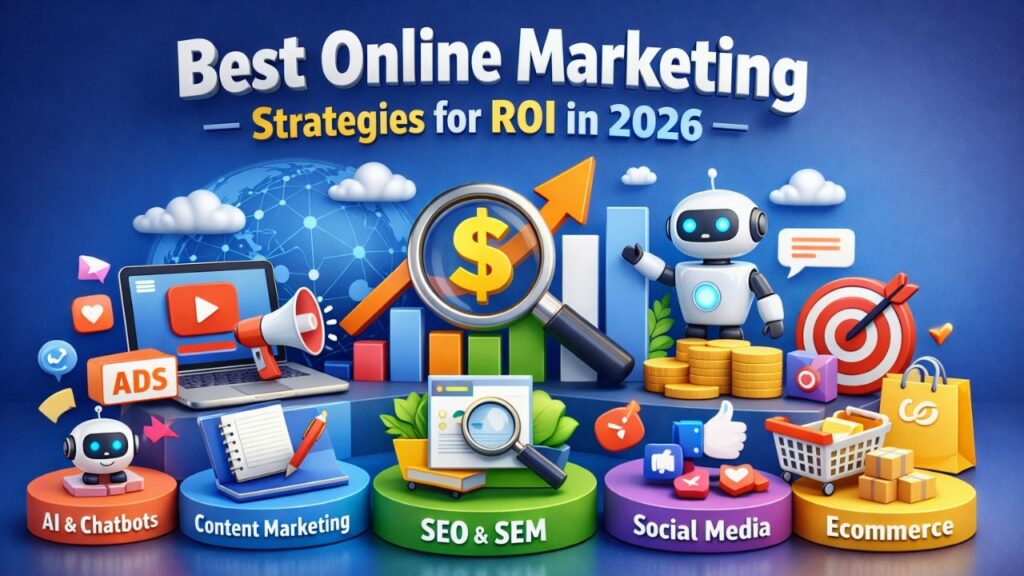
In 2026, businesses are no longer judged by how much traffic they generate, but by how effectively that traffic converts into measurable returns. With increasing competition across digital channels, brands must adopt smarter, data-driven approaches that focus on profitability rather than visibility alone. This is where the best online marketing strategies play a critical role.
A well-planned online marketing approach helps businesses allocate budgets wisely, reach the right audience, and achieve sustainable growth. This guide explains what works today, why it works, and how you can apply proven strategies to improve ROI across different business models.
Table of Contents
What Are the Most Effective Marketing Strategies in 2026?
To understand what are the most effective marketing strategies in 2026, it is important to focus on intent, relevance, and performance measurement. Modern marketing is no longer about using every available channel. Instead, success comes from selecting strategies that align with business goals and audience behavior.
The most effective strategies share three common characteristics:
- They are customer-centric and intent-driven
- They rely on data rather than assumptions
- They prioritize long-term value over short-term wins
When these principles are applied correctly, best online marketing strategies consistently deliver higher engagement, better conversions, and stronger ROI.
How to Create a Marketing Strategy Plan That Delivers ROI?
Understanding how to create a marketing strategy plan is essential before investing time or budget into execution. A structured plan reduces waste and ensures that every activity contributes to measurable outcomes.
Define Clear Business Objectives
Marketing efforts must align with revenue goals, growth targets, and brand priorities. Without clarity, even the most advanced tactics fail to generate returns.
Identify the Target Audience
Successful marketing begins with understanding who you are speaking to. Audience research helps determine preferences, pain points, and search behavior, allowing for better message alignment.
Select the Right Channels
Not every platform delivers the same value. Choosing channels based on audience intent ensures higher efficiency and reduces unnecessary spending. When mobile channels match your audience’s behavior, use these mobile marketing hacks to improve message timing, engagement, and conversion opportunities.
Allocate Budget Strategically
ROI improves when resources are allocated based on performance potential rather than trends. Continuous optimization is key.
A structured approach like this supports the best online marketing strategies by ensuring consistency and focus.
Marketing Strategy Plan Template for 2026
A modern marketing strategy plan template for 2026 focuses on flexibility, scalability, and performance tracking. While formats may vary, effective plans typically include:
- Market and audience analysis
- Channel selection and objectives
- Content and messaging framework
- Budget allocation
- KPIs and performance benchmarks
This structure allows businesses to adapt quickly to algorithm changes and consumer behavior shifts. When applied correctly, it strengthens execution across all best online marketing strategies.
Best Marketing Strategies for Startups in 2026
Startups face unique challenges such as limited budgets and low brand awareness. The best marketing strategies for startups 2026 prioritize efficiency and compounding growth.
Low Cost Marketing Strategies for Startups
Cost-effective approaches focus on organic reach and long-term visibility. These include:
- Search-optimized content creation
- Community engagement through social platforms
- Email marketing for relationship building
These low-cost marketing strategies for startups help establish authority without heavy financial investment.
Growth-Focused Foundations
Startups benefit from strategies that build momentum over time. A strong content foundation, combined with basic analytics, supports sustainable scaling using best online marketing strategies.
Digital Marketing Strategy Examples for Small Business Growth
Small businesses require practical and focused execution. Effective digital marketing strategy examples for small business often emphasize local relevance, trust, and conversion optimization.
Key components include:
- Local search optimization
- Informative content addressing customer queries
- Simple conversion funnels
These approaches help small businesses compete effectively while maintaining budget control. When aligned properly, best online marketing strategies enable consistent growth without unnecessary complexity.
Effective Marketing Strategy for Ecommerce Growth
Ecommerce brands depend heavily on performance-based marketing. An effective marketing strategy for ecommerce growth focuses on visibility, conversion, and retention.
Search Optimization for Product Discovery
Search-friendly product and category pages improve discoverability and transactional intent.
Performance-Driven Advertising
Data-driven ad campaigns improve ROAS when paired with accurate tracking and audience segmentation.
Customer Retention
Retention strategies such as email communication and lifecycle messaging increase lifetime value.
These elements combine to form best online marketing strategies tailored specifically for ecommerce environments.
Marketing Strategies for Ecommerce Businesses That Scale
As ecommerce businesses grow, marketing complexity increases. Proven marketing strategies for ecommerce businesses focus on scalability and operational efficiency.
Common priorities include:
- Omnichannel consistency
- Conversion rate optimization
- Brand trust and credibility
By aligning these elements, businesses can maintain ROI while expanding reach through best online marketing strategies.
Best Online Marketing Strategies for Small Brands
Small brands must compete on relevance rather than budget. The best online marketing strategies for small brands emphasize authenticity, clarity, and focused messaging.
Successful small-brand marketing often includes:
- Niche audience targeting
- Educational content
- Organic trust-building channels
These strategies help smaller brands establish authority and grow steadily without overspending.
Marketing Strategy Tips for Beginners
For those new to digital marketing, understanding foundational principles is critical. Practical marketing strategy tips for beginners include:
- Start with one or two core channels
- Track performance from the beginning
- Focus on consistency rather than volume
Beginners who apply these principles can gradually expand into more advanced best online marketing strategies with confidence.
How to Measure ROI from Online Marketing Strategies?
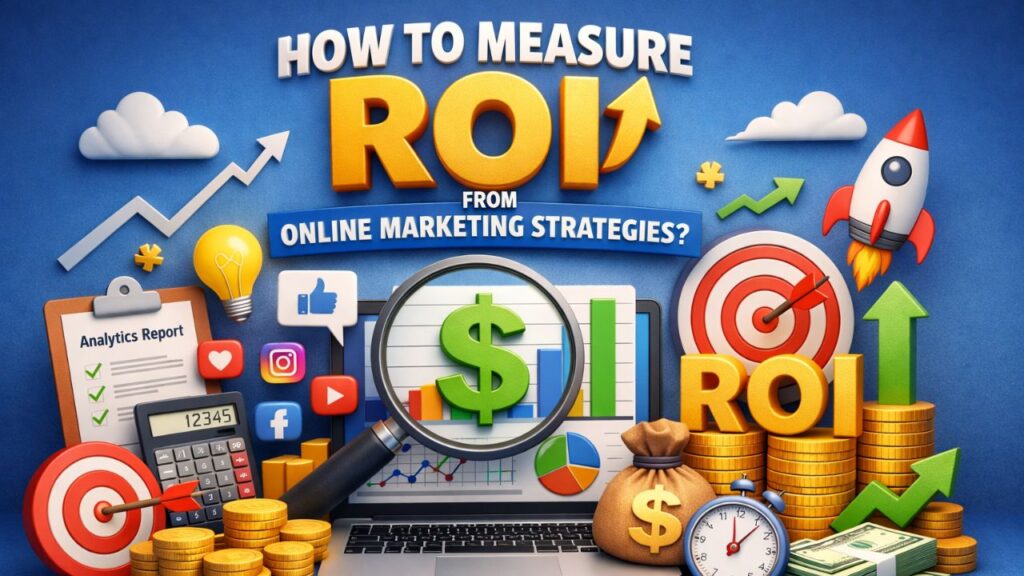
ROI measurement ensures that marketing efforts remain profitable and aligned with business goals. Key metrics include:
- Conversion rates
- Customer acquisition cost
- Lifetime value
- Engagement indicators
Regular analysis and optimization help refine campaigns and improve efficiency across all channels.
Conclusion
In 2026, marketing success depends on clarity, strategy, and execution. Businesses that focus on ROI-driven planning rather than isolated tactics consistently outperform competitors. By implementing the best online marketing strategies with a structured approach, brands can achieve sustainable growth, stronger engagement, and long-term profitability.
Whether you are building a startup, scaling an ecommerce business, or strengthening a small brand, the right strategy ensures that every effort contributes to measurable results.
Frequently Asked Questions
What are the most effective marketing strategies in 2026?
Strategies that focus on intent, data, and long-term value consistently deliver the best ROI.
How can startups choose the right marketing strategy?
Startups should prioritize low-cost, scalable approaches aligned with clear business goals.
Are low-cost marketing strategies still effective?
Yes, when executed correctly, organic and content-driven strategies remain highly effective.
Which marketing strategies work best for ecommerce businesses?
Search optimization, performance marketing, and retention-focused strategies perform best.
How often should a marketing strategy plan be updated?
Regular reviews every quarter help maintain relevance and performance.