









Mobile apps don’t fail because they lack features. Most fail because users never discover them. With millions of apps competing for attention, visibility inside app stores has become the real growth battleground. This is where App Store Optimization plays a defining role.
When done correctly, App Store Optimization helps your app appear in relevant searches, attract qualified users, and convert impressions into installs—without relying heavily on paid ads. If your goal is to drive sustainable, long-term organic downloads, understanding and applying the right ASO techniques is no longer optional.
In this guide, you’ll learn how app stores rank apps, how keyword strategy influences discoverability, and how to systematically improve your app’s visibility using proven optimization methods.
Table of Contents
Why App Store Optimization Is Critical for Organic Growth?
App stores function like search engines. Users type queries, browse results, compare listings, and decide which app to install—often within seconds. App Store Optimization ensures your app appears at the right moment, for the right audience, with messaging that encourages action.
Unlike paid acquisition, ASO compounds over time. Optimized apps continue to attract users even when marketing budgets pause. Most importantly, organic users tend to retain better, engage more, and generate higher lifetime value.
At its core, app store search optimization is about aligning your app’s metadata, visuals, and performance signals with how users search and behave inside app marketplaces.
How App Store Optimization Works
App store algorithms analyze multiple signals to decide which apps appear at the top of search results. While the exact formulas aren’t public, ranking behavior shows consistent patterns.
Key factors include:
- Keyword relevance and placement
- App title and description quality
- Conversion rates from page views to installs
- User engagement, retention, and uninstall rates
- Ratings, reviews, and update frequency
App Store Optimization works by improving these signals systematically. When your app matches user intent more accurately and delivers a strong store listing experience, app stores reward it with better visibility. Over time, this leads to a noticeable improvement in your app search ranking.
App Store Keyword Research: The Foundation of ASO
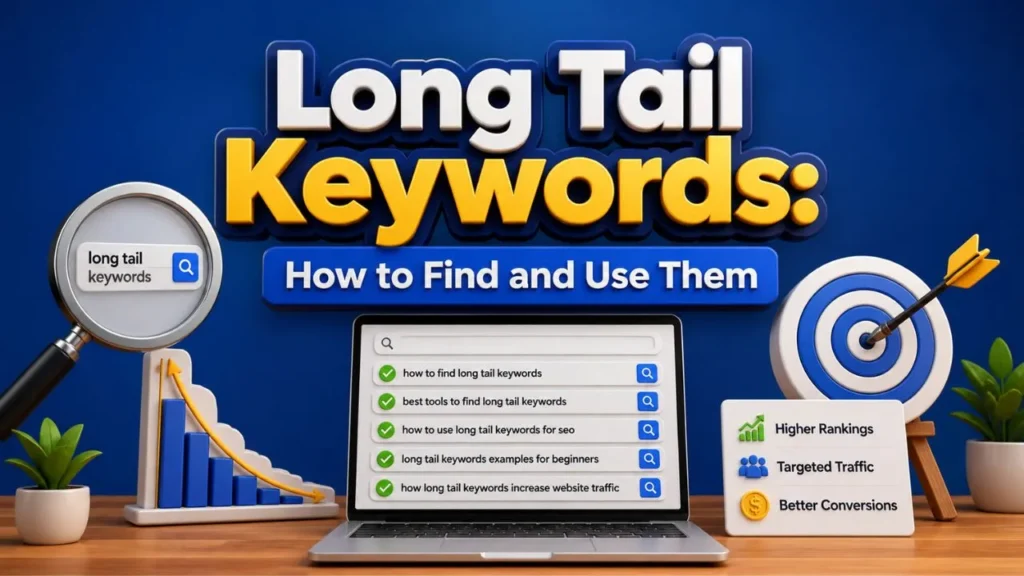
Every successful ASO campaign begins with app store keyword research. Without it, optimization becomes guesswork.
Keyword research reveals:
- What users are actively searching for
- How competitive those searches are
- Which terms align with your app’s core value
Unlike web SEO, app store searches are shorter, more intent-driven, and heavily influenced by immediate needs. Users are looking for solutions, not long explanations. That’s why selecting the right keywords directly impacts installs.
Strong keyword research ensures your app appears in searches that matter, rather than competing blindly for high-volume but irrelevant terms.
Creating an Effective ASO Keyword Strategy
An effective ASO keyword strategy balances relevance, competition, and conversion potential.
Rather than targeting every popular keyword, focus on:
- Keywords closely aligned with your app’s functionality
- Search terms with manageable competition
- Queries that indicate high install intent
Your strategy should map primary keywords to your app title and subtitles, while secondary keywords support descriptions and long-form content. This structure helps search algorithms clearly understand what your app offers and who it’s for.
When done correctly, your ASO keyword strategy improves discoverability without sacrificing readability or credibility.
How to Do App Store Optimization Step by Step?
If you’re wondering how to do app store optimization effectively, the process can be broken down into clear, repeatable steps.
Step 1: Market and Competitor Analysis
Study competing apps ranking for your target keywords. Analyze their titles, descriptions, visuals, and reviews to identify gaps and opportunities.
Step 2: Keyword Research and Validation
Conduct in-depth app store keyword research to identify high-intent search terms relevant to your app’s purpose.
Step 3: Metadata Optimization
Optimize your app title, short description, long description, and keyword fields using selected terms naturally.
Step 4: Visual Asset Optimization
Icons, screenshots, and preview videos significantly impact conversion rates. Your visuals should communicate value instantly.
Step 5: Conversion Optimization
Monitor how users interact with your store listing and refine elements that affect install decisions.
Following these steps ensures App Store Optimization is strategic, data-driven, and scalable.
iOS App Store Optimization Guide
Apple’s ecosystem has its own ranking dynamics, making a dedicated iOS app store optimization guide essential.
Key iOS ASO elements include:
- App title and subtitle keyword placement
- Backend keyword field usage
- Ratings and reviews velocity
- Localization for different regions
Apple emphasizes relevance and conversion signals. That means keyword optimization must go hand-in-hand with strong visuals and consistent updates. Apps that maintain high engagement and positive feedback often experience better ranking stability over time.
Android App Store Optimization Explained
Android app store optimization focuses on Google Play’s more content-driven approach.
Important Android ASO factors include:
- Keyword usage in title, short description, and long description
- Semantic keyword relevance
- App performance and stability
- Backlinks to your app’s Play Store page
Google Play indexes descriptions more deeply than Apple, which makes long-form content optimization, especially valuable. When executed properly, Android ASO supports both in-store visibility and external search discovery.
App Store Optimization Tools That Improve Efficiency
Manual optimization has limits. This is where app store optimization tools become essential.
These tools help you:
- Discover and track keywords
- Monitor ranking changes
- Analyze competitors
- Measure conversion performance
While tools don’t replace strategy, they provide the data needed to refine decisions and scale your ASO efforts efficiently. Consistent monitoring ensures your optimization stays aligned with market shifts and algorithm updates.
ASO Best Practices for Long-Term Success
Sustainable growth requires following proven ASO best practices rather than chasing short-term gains.
Best practices include:
- Updating metadata regularly
- Avoiding keyword stuffing
- Optimizing for conversion, not just rankings
- Monitoring reviews and responding thoughtfully
- Testing visuals and descriptions over time
By focusing on quality and relevance, your app builds trust with both users and app store algorithms.
How to Improve App Search Ranking Without Paid Installs?
Paid ads can boost installs temporarily, but long-term growth depends on organic visibility. To improve app search ranking naturally, focus on user experience signals.
Key tactics include:
- Increasing install-to-impression conversion rates
- Improving retention and engagement
- Reducing uninstall frequency
- Encouraging genuine user reviews
When users interact positively with your app, app stores interpret this as a quality signal and reward it with better visibility.
App Store Optimization Checklist
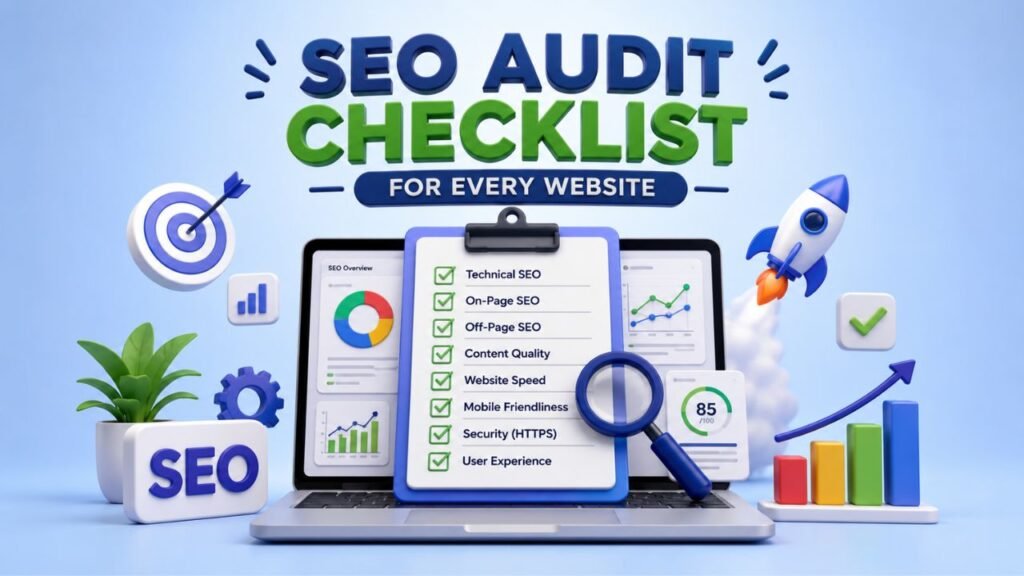
Use this app store optimization checklist to ensure nothing is overlooked:
- Completed keyword research
- Clear ASO keyword strategy defined
- Optimized app title and descriptions
- High-quality icons and screenshots
- Regular updates and performance tracking
- Active review and rating management
This checklist helps maintain consistency and ensures your ASO efforts remain structured.
Common App Store Optimization Mistakes to Avoid
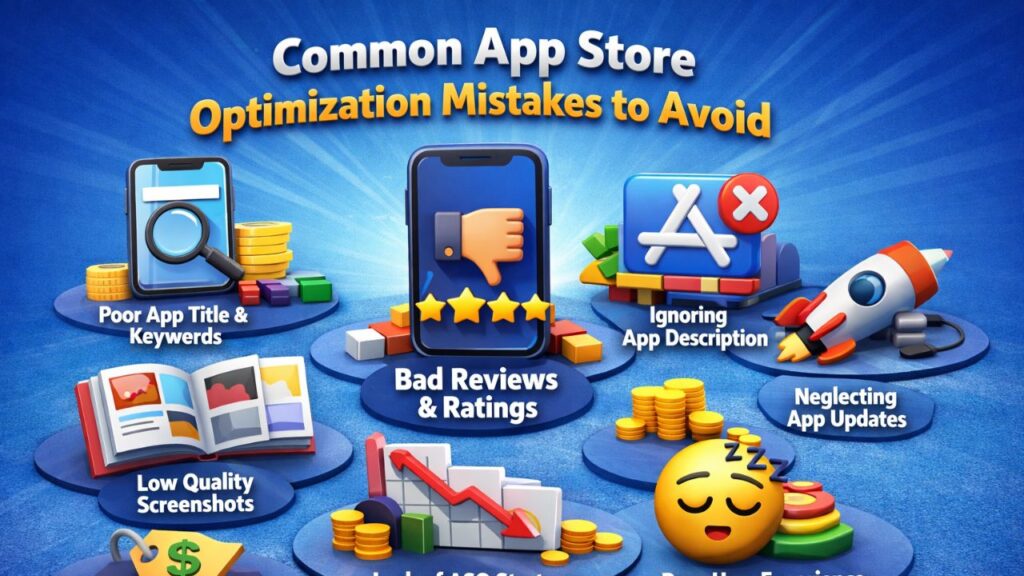
Many apps struggle due to avoidable mistakes, such as:
- Targeting irrelevant keywords
- Copying competitor metadata blindly
- Ignoring conversion optimization
- Neglecting updates and analytics
Avoiding these errors allows App Store Optimization to deliver steady, predictable results instead of volatile spikes.
Measuring App Store Optimization Success
ASO success isn’t measured by installs alone. Track metrics such as:
- Keyword ranking movement
- Store listing conversion rates
- Retention and engagement trends
- Organic download growth over time
Regular analysis allows you to adapt and refine your strategy as competition and user behavior evolve.
Final Thoughts
App Store Optimization isn’t a one-time task—it’s an ongoing growth discipline. When executed with a clear strategy, strong keyword research, and consistent optimization, it becomes one of the most reliable drivers of organic downloads.
By aligning your app with how users search, evaluate, and decide, you create visibility that compounds over time. Whether you’re optimizing for iOS, Android, or both, a well-structured ASO approach ensures your app doesn’t just exist in the store—it gets discovered, installed, and used.
Frequently Asked Questions
What is App Store Optimization (ASO)?
App Store Optimization is the process of improving an app’s visibility in app store search results by optimizing keywords, metadata, visuals, and performance signals. The goal is to increase organic app downloads without relying heavily on paid advertising.
How does App Store Optimization help increase organic downloads?
App Store Optimization improves how often your app appears for relevant searches and how well it converts visitors into installs. By aligning keywords, descriptions, and visuals with user intent, ASO increases discoverability and improves conversion rates, leading to more organic downloads.
How to do App Store Optimization effectively?
To do App Store Optimization effectively, start with app store keyword research, build a strong ASO keyword strategy, optimize metadata and visuals, improve conversion rates, and track performance regularly. Continuous testing and updates are essential for long-term success.
What is app store keyword research and why is it important?
App store keyword research identifies the search terms users type into app stores when looking for apps. It is important because choosing the right keywords directly impacts app visibility, relevance, and install potential in app store search optimization.