








Driving traffic to your website is only half the battle. The real growth happens when that traffic starts taking action—signing up, filling out forms, or making purchases. This is where conversion rate optimization becomes a critical growth lever. Instead of spending more on ads or chasing higher rankings alone, optimizing conversions helps you extract more value from the visitors you already have.
In this guide, you’ll learn how conversion-focused strategies can directly improve ROI, why CRO matters in today’s competitive digital landscape, and how to apply proven optimization methods that actually work.
Table of Contents
What Is Conversion Rate Optimization?
Before diving into tactics, it’s important to understand what is CRO and why it plays such a central role in digital success.
CRO is the process of improving your website or digital experience so that a higher percentage of users complete a desired action. That action might be purchasing a product, submitting a form, subscribing to a newsletter, or downloading a resource. Rather than focusing solely on traffic volume, CRO focuses on user behavior, intent, and experience.
At its core, conversion rate optimization is about understanding what motivates users, identifying friction points, and removing obstacles that prevent them from converting. When done correctly, it aligns your website’s goals with user expectations—creating a win-win situation for both sides.
Why Is Conversion Rate Optimization Important?
Many websites struggle not because they lack visitors, but because they fail to convert them effectively. This is exactly why why is CRO important for sustainable growth and profitability.
First, CRO improves efficiency. Instead of increasing marketing spend, you’re maximizing the performance of existing traffic. Second, it enhances user experience by making your site clearer, faster, and more intuitive. Third, it directly impacts revenue—higher conversion rates mean more results from the same effort.
More importantly, conversion rate optimization allows you to make data-driven decisions. Rather than relying on assumptions, you use real user behavior to guide improvements. Over time, this leads to consistent ROI growth and better long-term performance across channels.
How Does Conversion Rate Optimization Work?
To apply CRO effectively, you need to understand how does conversion rate optimization work in practice. It isn’t guesswork—it’s a structured, repeatable process.
The process usually starts with research. This involves analyzing user behavior, identifying drop-off points, and understanding how visitors interact with your site. From there, you create hypotheses about what might improve conversions. These hypotheses are tested through controlled experiments, such as A/B testing.
Once data is collected, results are analyzed and winning variations are implemented. This cycle continues, allowing your website to evolve based on real insights. Over time, CRO becomes a continuous improvement system rather than a one-time effort.
Key CRO Metrics and KPIs You Should Track
Measuring performance is essential for success. Without tracking the right CRO metrics and KPIs, it’s impossible to know whether your optimization efforts are working.
Some of the most important metrics include overall conversion rate, bounce rate, exit rate, and average time on page. Revenue-focused sites should also track revenue per visitor and conversion value. These indicators help you understand not just whether users convert, but how valuable those conversions are.
Monitoring the right KPIs allows you to identify trends, uncover weak points in funnels, and prioritize optimization opportunities. When you align metrics with business goals, CRO becomes far more strategic and impactful.
Proven Conversion Rate Optimization Techniques That Drive Results
There are several CRO techniques that consistently improve performance when applied correctly. These techniques focus on clarity, trust, and usability.
One effective approach is improving messaging clarity. Users should immediately understand what you offer and why it matters to them. Another powerful technique is reducing friction—simplifying forms, improving navigation, and minimizing unnecessary steps.
Behavioral insights also play a major role. Heatmaps, scroll tracking, and session recordings help reveal where users hesitate or disengage. By acting on these insights, CRO becomes a precise, user-centric discipline rather than trial and error.
Conversion Rate Optimization for Landing Pages
Landing pages are often the highest-impact areas, making conversion rate optimization for landing pages especially important.
A high-converting landing page focuses on a single goal. The headline communicates value clearly, supporting copy reinforces benefits, and calls-to-action guide users forward. Visual hierarchy, spacing, and readability all influence how users process information.
Trust elements such as testimonials, security indicators, and clear policies further reduce hesitation. When landing pages are optimized with intent and clarity, CRO can dramatically improve campaign ROI without increasing ad spend.
Practical Conversion Rate Optimization Tips You Can Apply Today
While CRO can be advanced, there are several conversion rate optimization tips that deliver quick wins.
Improving page speed is one of the most impactful changes you can make. Even small delays increase abandonment rates. Mobile optimization is equally critical, as user expectations continue to rise. Clear CTAs, consistent design, and simple navigation also play a major role.
These small improvements compound over time. When applied consistently, conversion rate optimization helps create smoother user journeys that naturally lead to higher conversions.
How to Improve Conversion Rates Using Data?
Many marketers ask how to improve conversion rates without increasing traffic. The answer lies in better use of data.
By analyzing funnels, you can identify exactly where users drop off. Segmenting data by device, traffic source, or behavior reveals opportunities that generic analysis often misses. Instead of making broad changes, you can focus on the highest-impact areas.
Data-driven decisions reduce risk and increase confidence. This approach ensures that conversion rate optimization efforts are aligned with actual user needs, not assumptions.
Conversion Rate Optimization Best Practices for Long-Term Growth
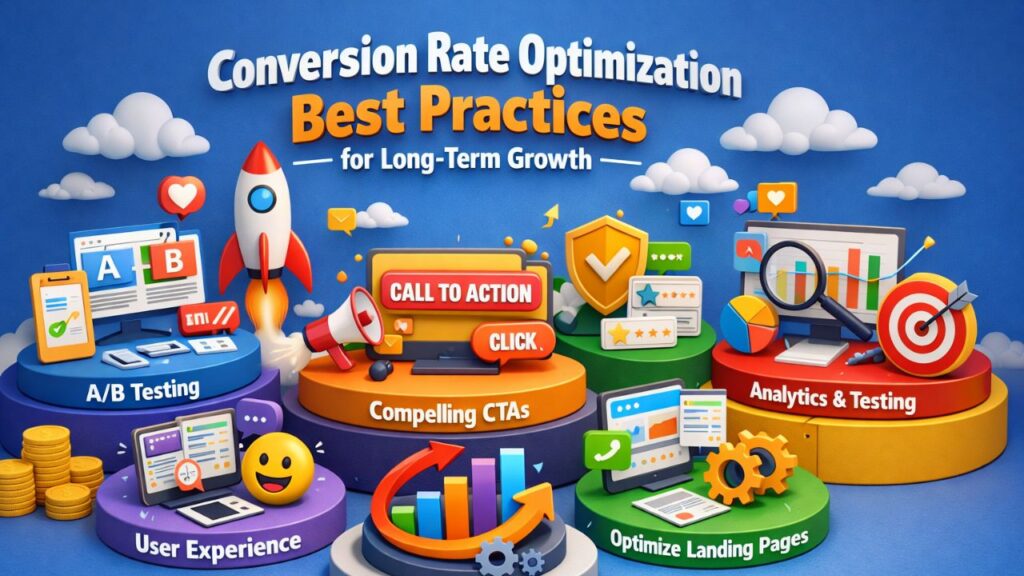
Following conversion rate optimization best practices ensures sustainable results rather than short-term gains.
Consistency is key. Test one variable at a time to isolate results. Document learnings so future optimizations build on past insights. Always prioritize user intent over design trends or personal preferences.
Equally important is patience. CRO is not about instant wins—it’s about continuous refinement. When best practices are followed, CRO becomes a scalable growth strategy rather than a reactive fix.
Conversion Rate Optimization Checklist
Before launching or optimizing any page, a structured conversion rate optimization checklist can help ensure nothing is overlooked.
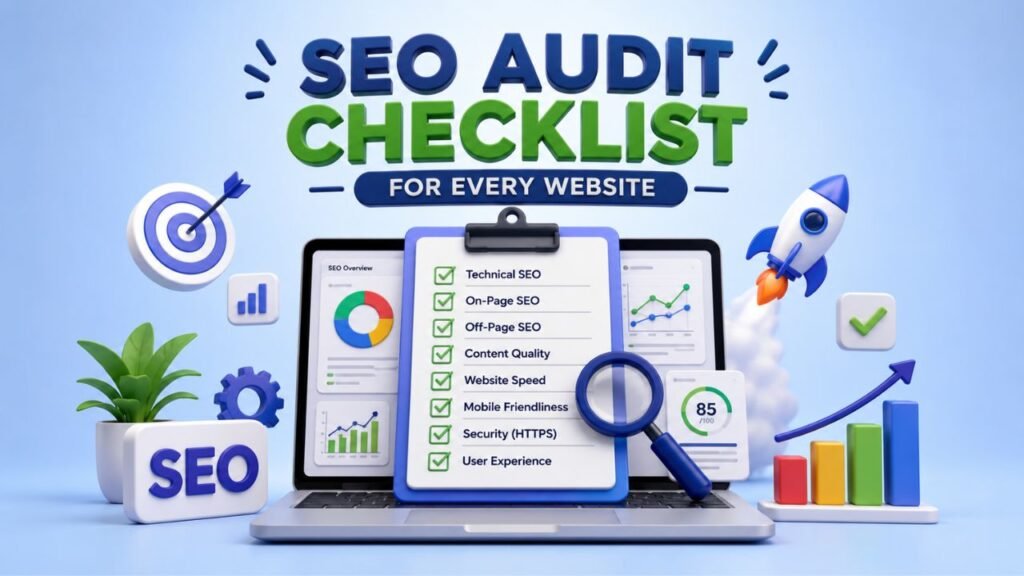
This checklist should include clarity of messaging, CTA visibility, page speed, mobile usability, trust elements, and analytics setup. Reviewing these factors consistently helps maintain performance and prevents avoidable conversion leaks.
Using a checklist makes CRO more systematic, repeatable, and easier to scale across multiple pages or campaigns.
Conclusion
Conversion growth doesn’t happen by accident. It’s the result of thoughtful design, data-driven decisions, and continuous improvement. When applied strategically, CRO transforms your website into a high-performing asset that delivers measurable ROI.
By understanding user behavior, tracking the right metrics, and applying proven optimization techniques, you can improve results without increasing acquisition costs. Over time, CRO becomes more than a tactic—it becomes a competitive advantage.
FAQs
What is conversion rate optimization?
Conversion rate optimization is the process of improving digital experiences so more users complete desired actions, such as sign-ups or purchases.
How long does conversion rate optimization take?
Results vary, but meaningful insights often emerge within weeks when testing and analysis are done consistently.
Which pages benefit most from CRO?
Landing pages, product pages, and high-traffic pages typically see the strongest impact from optimization.
Is conversion rate optimization suitable for all businesses?
Yes. Any business with measurable user actions can benefit from CRO, regardless of size or industry.