








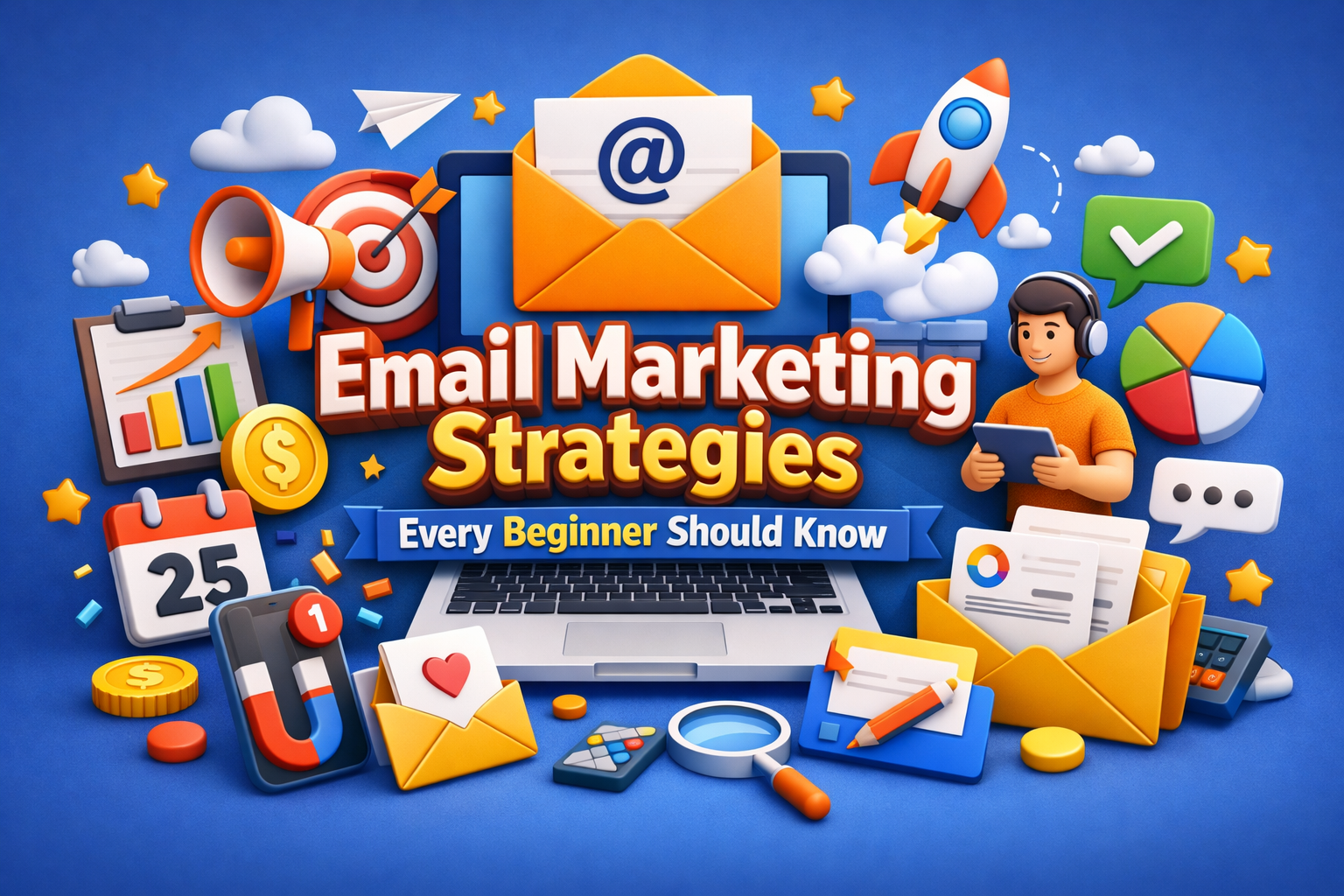
Email marketing continues to be one of the most reliable digital channels for building relationships, nurturing leads, and driving consistent results. If you are just starting out, understanding the right approach can feel overwhelming. That is where clear, beginner-focused guidance becomes essential. This guide breaks down the fundamentals, explains how email marketing works, and helps you build confidence by following proven Email Marketing Strategies that actually align with beginner needs.
Table of Contents
Understanding Email Marketing for Beginners
Email marketing for beginners is not about sending random promotional messages. It is about creating meaningful communication with people who have shown interest in your content, product, or service. When done correctly, email becomes a permission-based channel that allows you to stay connected with your audience without depending entirely on social media algorithms.
For beginners, email marketing works best when you focus on consistency, relevance, and value. You do not need complex automation or advanced tools at the start. What you need is clarity of your message and an understanding of how email fits into your overall digital presence.
How Email Marketing Works Step by Step
To build confidence, it helps to clearly understand how email marketing works from start to finish. The process begins when someone subscribes to your email list through a sign-up form or lead magnet. Once they opt in, you gain permission to communicate with them directly.
From there, emails are sent either as one-time broadcasts or as part of automated sequences. These emails can educate, inform, or guide subscribers toward a desired action. The real power of email lies in its ability to deliver the right message at the right time, using data and behavior to improve relevance. Structured Email Marketing Strategies ensure this process stays focused and goal driven rather than random.
Benefits of Email Marketing for Beginners
One of the biggest benefits of email marketing is control. Unlike social platforms, you own your email list. This means you are not at risk of losing reach due to algorithm changes. Email marketing is also cost effective, making it ideal for beginners with limited budgets.
Another key advantage is trust building. When subscribers consistently receive useful content, your brand becomes familiar and reliable. Over time, this trust leads to higher engagement and stronger conversion potential. Applying beginner-friendly Email Marketing Strategies allows you to grow steadily without relying on aggressive promotion.
Core Email Marketing Fundamentals You Should Focus On
Before diving into advanced tactics, beginners should master the basics. Start by building a quality email list rather than chasing volume. People who genuinely want to hear from you are far more valuable than large, inactive lists.
Segmentation is another important foundation. Even simple grouping based on interests or signup source can dramatically improve engagement. Personalization, even at a basic level, helps your emails feel relevant rather than generic. Strong Email Marketing Strategies prioritize clarity, timing, and consistency over complexity.
Email Marketing Best Practices That Build Long Term Results
Following email marketing best practices ensures your efforts remain sustainable. Subject lines should be clear and honest, avoiding misleading language. Email content should be easy to read, especially on mobile devices, as a large portion of users open emails on their phones.
Deliverability also matters. Sending emails consistently, avoiding spam triggers, and respecting unsubscribe requests all contribute to better inbox placement. When beginners follow best practices and align them with reliable Email Marketing Strategies, they build a strong foundation for future growth.
The Role of the Email Marketing Funnel
An email marketing funnel helps guide subscribers from awareness to action in a structured way. At the top of the funnel, emails focus on education and trust. In the middle, they provide deeper insights and value. Toward the bottom, emails encourage decisions such as signups or purchases.
Understanding the email marketing funnel allows beginners to send emails with purpose rather than guesswork. Each message supports the next step in the journey. Well planned Email Marketing Strategies ensure your funnel feels natural instead of pushing.
Email Marketing Campaign Ideas Beginners Can Use
Campaigns give structure to your email efforts. A welcome campaign introduces subscribers to your brand and sets expectations. Educational campaigns share useful information that positions you as a helpful resource. Re engagement campaigns help reconnect with inactive subscribers.
These email marketing campaign ideas work best when planned in advance rather than sent impulsively. Clear objectives make it easier to measure success. When campaigns are guided by thoughtful Email Marketing Strategies, even beginners can achieve consistent engagement.
Learning From Simple Email Marketing Examples
Looking at email marketing examples helps beginners understand what works in real situations. Effective emails are usually clear, focused, and written with the reader in mind. They avoid unnecessary clutter and guide attention toward one main action.
You do not need to copy examples directly. Instead, analyze why they work. Pay attention to tone, structure, and clarity. Applying those insights through proven Email Marketing Strategies allows you to adapt ideas while keeping your content original.
A Practical Email Marketing Checklist for Beginners
A checklist helps beginners stay organized and avoid common mistakes. Before sending an email, confirm your goal, audience segment, and message clarity. Review subject lines, formatting, and links. After sending, track opens, clicks, and responses.
An email marketing checklist removes guesswork and builds confidence. It ensures each campaign follows a consistent process. When combined with structured Email Marketing Strategies, checklists help improve results over time.
Measuring Success Through Email Marketing ROI
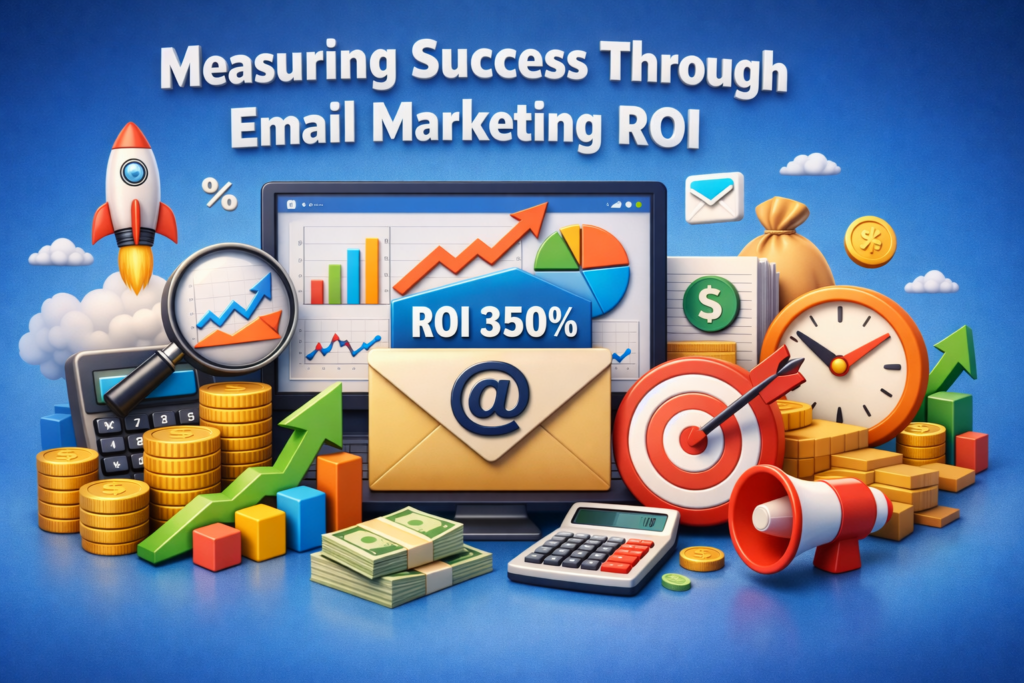
Email marketing ROI helps you understand whether your efforts are paying off. Key metrics include open rates, click through rates, and conversions. Beginners should focus on improvement rather than perfection.
Small changes such as better subject lines or clearer calls to action can significantly improve results. Monitoring performance allows you to refine future campaigns. Strong Email Marketing Strategies focus on learning and optimization, not just sending emails.
Common Mistakes Beginners Should Avoid
Many beginners struggle because they send too many emails or focus only on selling. Others ignore segmentation or fail to track performance. These mistakes often lead to unsubscribes and low engagement.
Avoiding these issues requires patience and planning. When you prioritize value, clarity, and relevance, your emails feel helpful rather than intrusive. Consistent Email Marketing Strategies reduce errors and improve long term outcomes.
Final Thoughts on Getting Started With Email Marketing
Email marketing is not about quick wins. It is about building relationships over time through consistent communication. Beginners who focus on value, follow best practices, and stay organized are far more likely to succeed.
By understanding how email marketing works and applying structured Email Marketing Strategies, you can create campaigns that grow with your audience. With patience and refinement, email marketing becomes a dependable channel that supports long term digital growth.
Frequently Asked Questions
1. What are email marketing strategies for beginners?
Email marketing strategies for beginners focus on building a permission-based email list, sending relevant content consistently, and nurturing subscribers over time. Instead of complex automation, beginners should prioritize clarity, segmentation, and value-driven communication to build trust and engagement.
2. How does email marketing work for someone just starting out?
Email marketing works by collecting email addresses from interested users and sending them targeted messages. Beginners usually start with simple broadcast emails or welcome sequences. Over time, structured email marketing strategies help guide subscribers through different stages of engagement and decision-making.
3. What are the benefits of email marketing compared to other channels?
The benefits of email marketing include direct access to your audience, cost effectiveness, and higher engagement compared to many other digital channels. Email also allows beginners to build long-term relationships without relying on changing platform algorithms.