


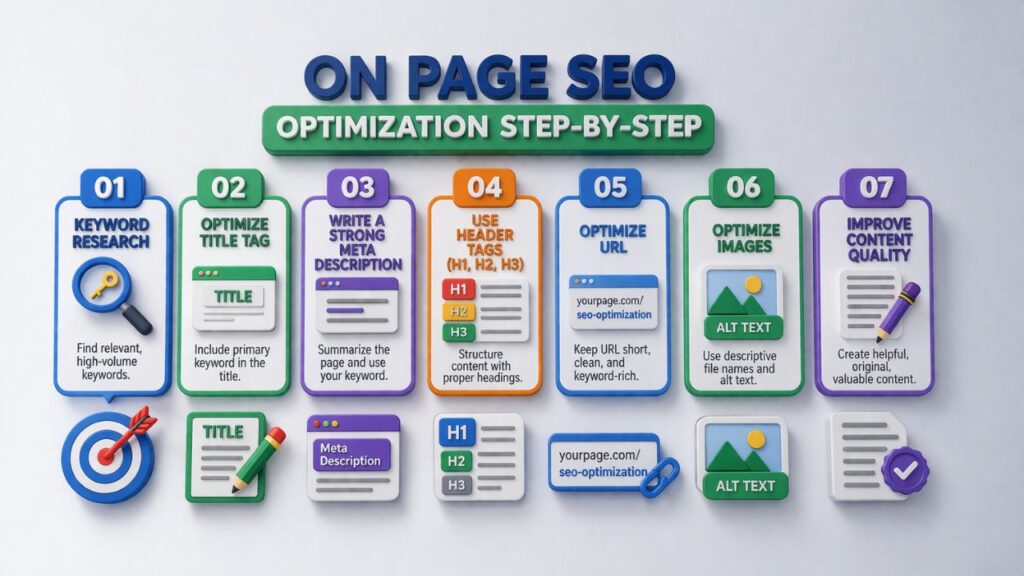
If you want your content to rank higher in Google, attract the right visitors, and keep readers engaged, you need to get serious about on page SEO. Many website owners focus heavily on publishing content, but content alone is not enough. If your page is not structured properly, if your headings are weak, if your keyword placement is random, or if your user experience is poor, you will struggle to rank no matter how useful your topic may be.
That is exactly why on page SEO matters.
It gives search engines clear signals about your page. It helps readers understand your content quickly. It improves relevance, readability, and usability. Most importantly, it gives your page a stronger chance to compete in search results.
If you are learning SEO Basics, this is one of the most important areas to master first. Once you understand how on page SEO works, you can improve almost every piece of content you publish.
In this guide, you will learn on page SEO step by step, so you can optimize your pages with more confidence and better results.
Table of Contents
What Is On Page SEO?
On page SEO is the process of optimizing the elements on a webpage to improve its search engine rankings and user experience. These elements include your title tag, meta description, URL, headings, keyword placement, content quality, internal links, images, and page structure.
In simple words, on page SEO is everything you do on the page itself to help search engines understand your content and help readers get value from it.
This is different from off page SEO, which focuses on external signals like backlinks, and technical SEO, which deals with things like crawling, indexing, and site performance. All three matter, but on page SEO is often the most direct place to start because you have complete control over it.
When you understand SEO Basics, you quickly realize that search engines want clarity. They want to know what your page is about, who it is for, and whether it solves the searcher’s problem. Strong on page SEO makes those signals obvious.
Why On Page SEO Is So Important?
A page can fail to rank even when the topic is strong. Why? Because the page may not match search intent, the keyword may be missing from key locations, the content may be too thin, or the structure may be confusing.
Good on page SEO solves those problems.
It helps search engines understand relevance. It helps users navigate your page easily. It improves your chances of appearing for long tail searches, featured snippets, and voice search queries. It also supports better engagement because readers are more likely to stay on a page that is well organized and easy to read.
When you improve on page SEO, you are not only trying to rank. You are also making your page better for real people. That balance is what often leads to stronger long term results.
Step by Step On Page SEO Guide
Step 1: Start With Search Intent
Before you write or optimize anything, ask yourself a simple question: what does the user really want when they search this term?
This is where effective on page SEO begins.
Search intent tells you whether the user wants information, a product, a service, a comparison, or a quick answer. If your page does not match that intent, your rankings will remain weak even if your keyword usage looks correct.
For example, if someone searches for a step by step guide, they expect clarity, actionable advice, and a logical structure. They do not want vague ideas. They want practical direction.
So before you optimize your title, headings, or content, define the intent behind the query. This is a core part of SEO Basics, and it shapes every other on page SEO decision you make.
Step 2: Choose the Right Keyword Strategy
Your primary keyword here is on page SEO, but a strong page should also include related terms that support the topic naturally. Search engines do not only look for one repeated phrase. They also evaluate topical depth and semantic relevance.
That means your on page SEO strategy should include related concepts such as title tags, headings, meta descriptions, URL structure, internal linking, image optimization, content readability, search intent, and user experience.
This approach helps your page look complete rather than forced.
You should place on page SEO in important locations, but you should never stuff it into every paragraph without purpose. Search engines are smarter now. Natural usage matters more than mechanical repetition. When your keyword appears in the right places and your content covers the topic well, your on page SEO becomes much stronger.
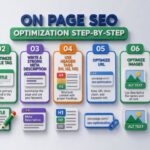
Step 3: Write a Title Tag That Deserves the Click
Your title tag is one of the first things both search engines and users notice. It should clearly explain what the page is about while giving readers a reason to click.
A strong title tag for on page SEO should include the main keyword naturally and communicate value. It should feel specific, relevant, and useful.
For example, a title like On-Page SEO Optimization Step-by-Step Guide for Higher Rankings works well because it includes the topic and the benefit.
A weak title is often vague, too broad, or too generic. A strong title aligns with intent and promises a clear outcome.
This may sound simple, but title optimization remains one of the most effective on page SEO improvements you can make.
Step 4: Create a Meta Description That Pulls Readers In
Your meta description may not directly boost rankings, but it can improve click through rate. That makes it a valuable part of on page SEO.
A good meta description should summarize the page clearly, include the main topic naturally, and encourage action. It should tell users why your page is worth their time.
Think of it as your search result pitch. If your title gets attention, your meta description helps convert that attention into clicks.
When writing a meta description for on page SEO, keep it clear, useful, and relevant. Do not overstuff keywords. Write it for people first.
Step 5: Use One Strong H1 and Clear Heading Structure
Headings do more than break up your content. They give search engines a clear map of the page and help readers scan your content quickly.
That is why heading structure is a core part of on page SEO.
Your page should have one H1 that clearly reflects the main topic. Then your H2 and H3 headings should guide the reader through the page in a logical order. If your headings are vague or disorganized, your content becomes harder to understand.
Well structured headings improve readability, support keyword relevance, and help with AEO because answer engines often pull content from pages that are logically organized.
If you want stronger on page SEO, treat your headings like signposts. They should tell the reader exactly what comes next.
Step 6: Optimize the URL for Clarity
A clean URL supports both usability and on page SEO.
Your slug should be short, descriptive, and focused on the topic. Avoid unnecessary dates, filler words, or random characters. A simple URL is easier to understand, easier to share, and easier for search engines to interpret.
When possible, include the main topic naturally. A URL built around on page SEO sends a cleaner relevance signal than a messy, unclear slug.
This may not be the biggest ranking factor on its own, but it contributes to a better overall optimization profile.
Step 7: Write Content That Fully Answers the Query
This is where many pages fall short.
You can optimize your titles, headings, and URLs perfectly, but if your content does not answer the query in a complete and useful way, your on page SEO will remain weak.
High quality content should be clear, helpful, relevant, and satisfying. It should solve the reader’s problem without forcing them to go back to search results for more answers.
If your topic is on page SEO, then your content should explain not only what it is, but also how to do it, why it matters, what mistakes to avoid, and how to measure progress. That level of depth helps search engines see your page as more valuable.
This is where SEO Basics connect with content quality. Good optimization is not only about keywords. It is about usefulness. When your content helps people make progress, your on page SEO becomes much more effective.
Step 8: Place Keywords Naturally in Key Areas
Keyword placement still matters. The difference now is that it must feel natural.
Your main keyword on page SEO should appear in the title, H1, introduction, selected subheadings, conclusion, and a few important paragraphs. It can also appear in image alt text or internal anchor text if it fits naturally.
What you should avoid is stuffing the keyword where it does not belong. That weakens readability and can make your page feel unnatural.
Good on page SEO uses the primary keyword with purpose. It also uses related phrases that support the main theme. This creates a stronger topical signal and helps your content rank for a wider range of relevant queries.
Step 9: Improve Readability for Humans First
Search engines want to rank content that users can actually consume.
That means your on page SEO should improve readability, not hurt it. Use short paragraphs. Keep sentences clear. Break information into digestible sections. Use lists where needed. Remove fluff. Say what you mean without overcomplicating it.
Many pages lose readers not because the topic is weak, but because the content feels heavy and hard to scan. When you improve readability, you make it easier for users to stay engaged.
This also helps voice search and answer engines. If your information is clear and direct, it is easier to extract, quote, and surface in search features.
If you are still learning SEO Basics, remember this: a readable page is often a better ranking page.
Step 10: Optimize Images Properly
Images can improve engagement, support understanding, and strengthen your page. But they can also slow down performance if they are poorly handled.
Image optimization is another important part of on page SEO.
Use descriptive file names. Add alt text that explains the image naturally. Compress large files so they load faster. Only use visuals that actually support the content.
Alt text should not be stuffed with keywords, but when relevant, it can support your on page SEO by reinforcing the page topic. More importantly, it improves accessibility, which is good for users and good for the overall quality of the page.
Step 11: Add Internal Links With Purpose
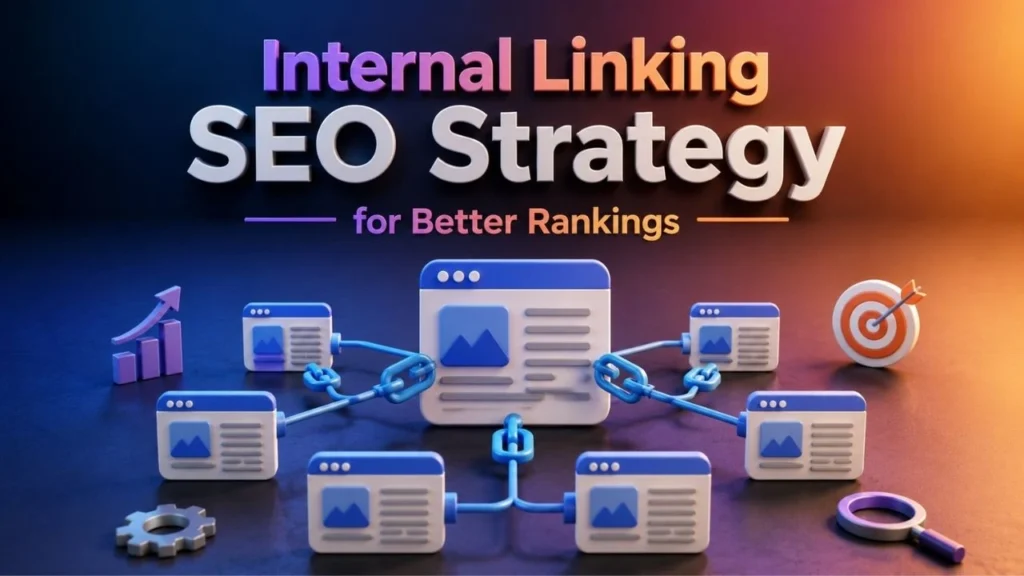
Internal linking is one of the most underrated parts of on page SEO.
It helps search engines discover related pages, understand content relationships, and distribute authority across your site. It also helps users move deeper into your content, which can increase engagement and improve navigation.
If you mention related topics such as keyword research, technical SEO, content strategy, or SEO Basics, link to those pages where relevant. But do it with purpose. Each internal link should genuinely help the reader.
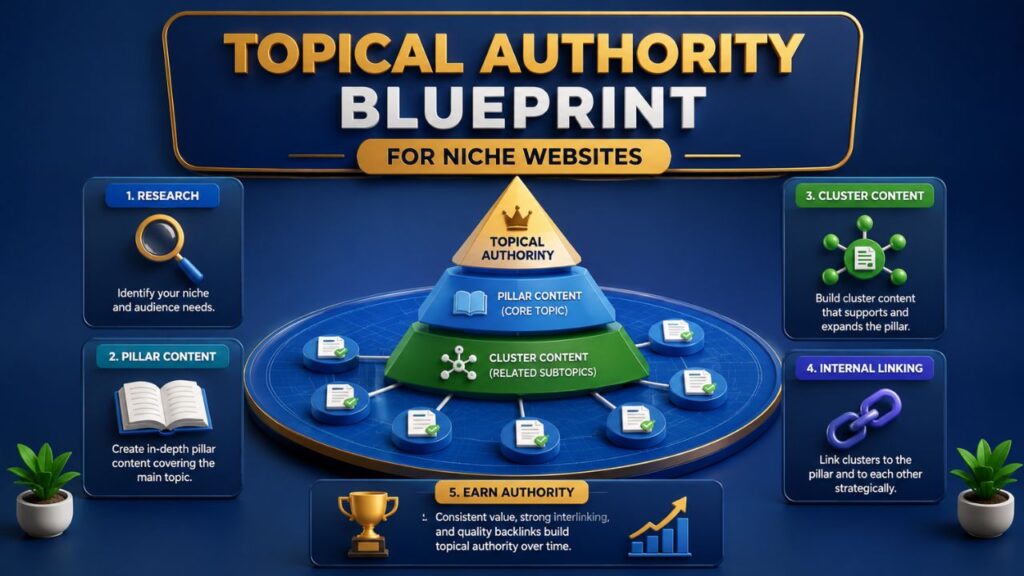
Strong internal linking supports topical authority, improves crawl paths, and makes your on page SEO far more effective over time.
Step 12: Use External Links to Build Trust
External links to relevant, trustworthy sources can improve credibility when used carefully. They show that your page is grounded in useful information and not isolated from the wider topic.
This matters for on page SEO because trust is a real part of quality. A page that gives readers helpful paths to additional learning can feel more reliable than one that tries to keep everything closed.
Use external links only where they add value. Relevance matters more than quantity.
Step 13: Optimize for Featured Snippets and AEO
Modern search is no longer only about blue links. If you want better visibility, your on page SEO should also support Answer Engine Optimization.
That means structuring content in a way that makes it easy for search engines and AI systems to extract direct answers.
You can do that by:
- answering questions directly under headings
- using short definitions
- adding numbered steps
- including concise summaries
- using FAQ sections at the end
For example, if someone asks, “What is on page SEO?” your content should provide a clean, direct answer near the top. That improves your chances of appearing in snippets, AI summaries, and other answer-focused results.
This is one of the smartest ways to modernize your on page SEO strategy.
Step 14: Make the Content Voice Search Friendly
Voice searches are often longer, more conversational, and more question based. That means your on page SEO should reflect how people actually speak.
Use natural phrasing. Include question based subheadings. Write clear answers that sound human. Focus on intent, not just exact match keyword placement.
When your content is conversational and structured around real questions, it becomes easier for voice systems to use it.
This is why a voice search friendly style fits naturally with SEO Basics. You are not trying to sound robotic. You are trying to answer real questions in a direct, helpful way.
Step 15: Strengthen Trust and Content Quality Signals
Search engines want to rank pages that feel reliable. That is why strong on page SEO is not only about structure. It is also about trust.
Your content should feel accurate, well organized, and genuinely helpful. It should avoid vague claims. It should stay updated. It should show clear understanding of the topic.
You do not need to overcomplicate this. In most cases, trust comes from clarity, usefulness, and depth. If your page explains on page SEO in a practical and complete way, you are already moving in the right direction.
Common On Page SEO Mistakes to Avoid
Even strong pages can underperform when avoidable mistakes are left in place.
Here are some common on page SEO issues:
- targeting the wrong search intent
- using a weak or vague title
- stuffing the main keyword unnaturally
- skipping internal links
- using poor heading structure
- publishing thin content
- ignoring readability
- forgetting image optimization
- writing for search engines instead of readers
- failing to add FAQ style answers
Avoiding these mistakes can give your on page SEO a measurable lift without requiring a complete rewrite.
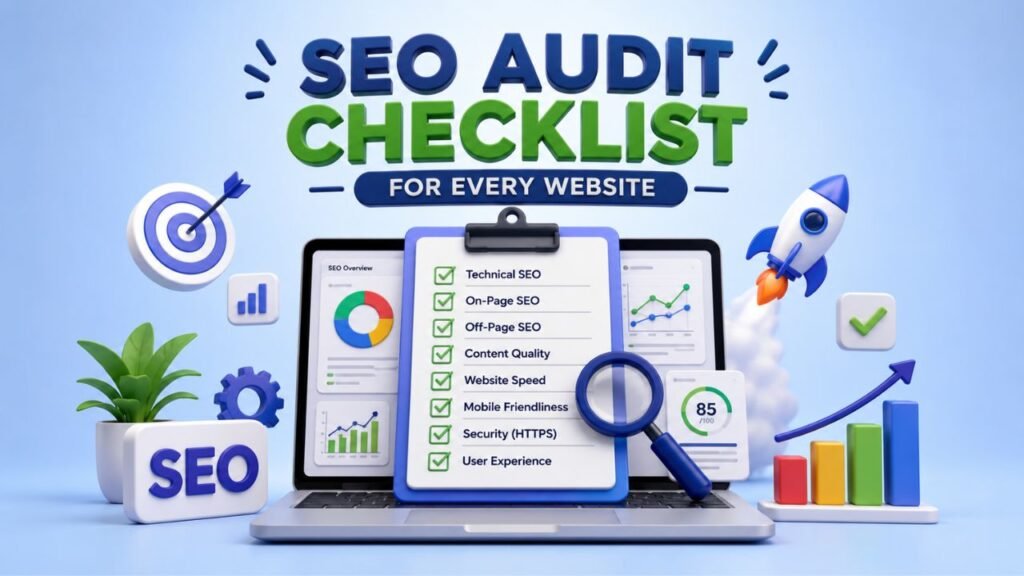
A Simple On Page SEO Checklist
Before you publish, review your page with this checklist:
- Does the page clearly target one main topic?
- Is on page SEO placed naturally in important areas?
- Does the title tag explain the value of the page?
- Is the meta description compelling and relevant?
- Does the page use one H1 and logical H2s and H3s?
- Is the URL short and clear?
- Does the content match search intent?
- Are related topics covered properly?
- Is the content easy to read on mobile?
- Have you added helpful internal links?
- Are images optimized with alt text and compression?
- Does the page include direct answers for AEO?
- Does the content sound natural for voice search?
This kind of review helps you catch small issues before they affect performance.
How to Measure On Page SEO Performance?
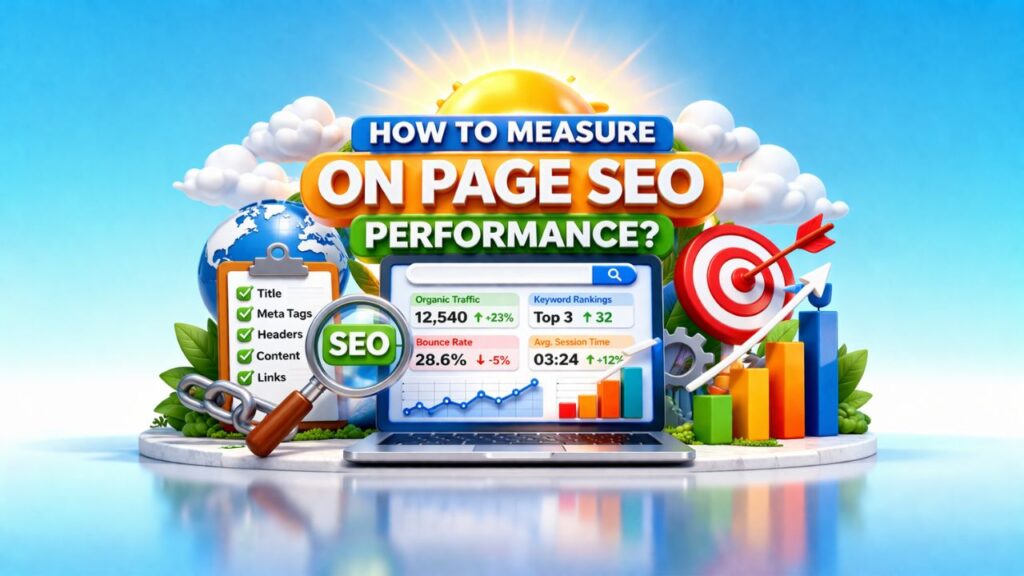
Once your page is live, the next step is tracking results. Good on page SEO is not a one time action. It is an ongoing process.
Watch for these signals:
- growth in organic traffic
- improvement in keyword rankings
- stronger click through rate
- better engagement on the page
- increased time on page
- improved impressions in search
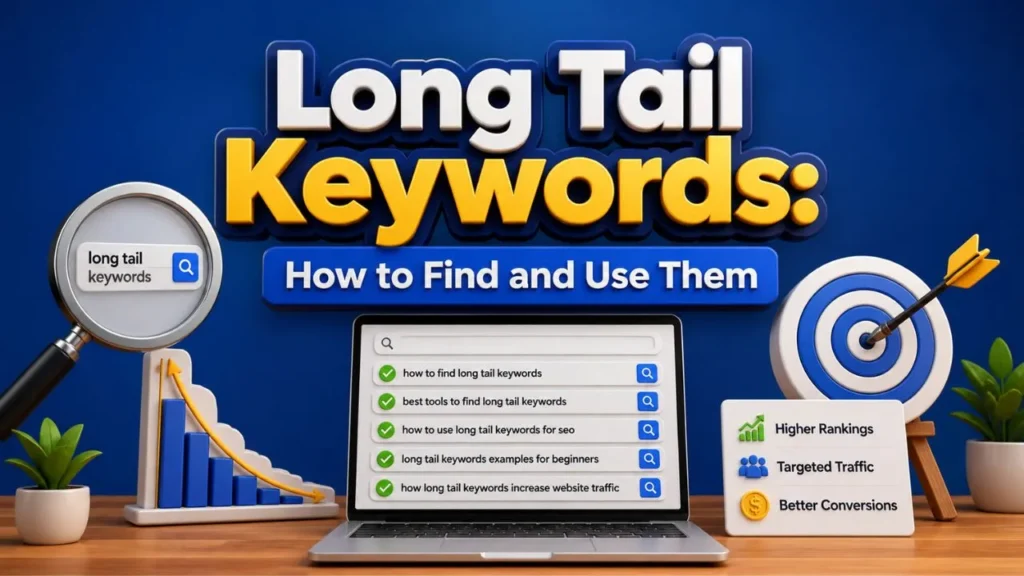
- better performance for long tail queries
If your page is not improving, do not assume the topic is the problem. Review the intent, structure, keyword placement, and content depth. In many cases, on page SEO adjustments can unlock better results without starting from scratch.
Final Thoughts
If you want better search visibility, stronger engagement, and more consistent rankings, you cannot afford to ignore on page SEO.
It is one of the most practical ways to improve your content because it gives you direct control over how your page is presented to both search engines and users. When you understand search intent, structure content well, place keywords naturally, improve readability, and support answer-focused search, your results can improve steadily over time.
If you are building your foundation with SEO Basics, this is the area you should master first. Strong on page SEO makes every page more focused, more valuable, and more competitive.
You do not need to optimize everything perfectly in one day. Start with one page. Improve the title. Refine the headings. Strengthen the content. Add internal links. Make the page easier to read. Then repeat the process.
That is how real growth happens.
Frequently Asked Questions
What is on page SEO in simple words?
On page SEO means optimizing the content and elements on a webpage so search engines can understand it better and users can get more value from it.
Why is on page SEO important?
On page SEO improves relevance, readability, structure, and user experience. It helps search engines rank your page more accurately and helps readers engage with your content.
Is on page SEO part of SEO Basics?
Yes, on page SEO is one of the most important parts of SEO Basics because it teaches you how to optimize content directly on your website.
How many times should I use my main keyword?
Use your main keyword naturally in important places such as the title, H1, introduction, selected subheadings, and conclusion. Focus on readability first.
What is the difference between on page SEO and technical SEO?
On page SEO focuses on content and page elements like headings, keyword placement, and internal links. Technical SEO focuses on crawling, indexing, site speed, and other backend factors.
Can on page SEO help with voice search?
Yes. Strong on page SEO improves voice search performance when your content uses natural language, clear questions, and direct answers.
How does on page SEO support AEO?
On page SEO supports AEO by structuring content with concise answers, headings, steps, and FAQs that answer engines can understand and surface easily.
What are the most important on page SEO elements?
The most important elements include search intent, title tag, meta description, headings, content quality, keyword placement, internal links, image optimization, and readability.