










Mobile apps have transformed how people access services, entertainment, and information. However, the biggest challenge for developers and businesses is visibility. Thousands of new apps are launched every day, which makes it difficult for any single application to stand out. This is where App Store Optimization becomes essential.
One of the most important components of optimizing is app store keyword research. It helps apps appear in search results when users are actively looking for solutions. When done correctly, it improves discoverability, increases organic downloads, and strengthens long term growth.
In this detailed guide, we will explore why keyword research plays such a powerful role in app visibility. You will also learn how to apply effective optimization techniques, use the right tools, and build a reliable strategy to improve app search performance.
Table of Contents
What Is App Store Keyword Research?
Before understanding its impact, it is important to know what the concept actually means:
- App store keyword research refers to the process of identifying the search terms users type when looking for apps in platforms such as the Apple App Store or Google Play Store. These keywords help app stores understand what an application does and when it should appear in search results.
- When developers integrate the right keywords into their app title, description, and metadata, the app becomes more relevant for user searches. This improves its chances of appearing higher in search results.
- Unlike traditional SEO for websites, app store keyword targeting focuses on app marketplace algorithms. These algorithms analyze keyword relevance, downloads, ratings, and engagement to determine ranking positions.
- Because of this, keyword research becomes the foundation of effective app store search optimization.
Why Keyword Research Plays a Powerful Role in App Growth?
Many developers focus heavily on app development but overlook search visibility. Without strong optimization, even the best application can remain hidden. A strategic keyword approach helps solve this challenge.
Improves App Visibility
The primary benefit of app store keyword research is improved visibility. When the right keywords are included in the app listing, the application becomes discoverable to users searching for related solutions.
This allows the app to appear in more search results and increases the chance of downloads.
Attracts High Intent Users
- Users who search inside app stores already have a clear goal. They are looking for a specific type of app and are more likely to install one that matches their search.
- By targeting the right keywords, developers can connect directly with these high intent users.
Boosts Organic Downloads
- Paid advertising campaigns can drive installs, but they require continuous investment. Organic downloads, on the other hand, are sustainable.
- When app store keyword research is implemented effectively, it can generate consistent installs without depending heavily on paid acquisition channels.
Strengthens Long Term App Growth
- Keyword optimization is not just about immediate visibility. Over time, it also contributes to better engagement and stronger user retention.
- As more users discover and install the app through search, the app store algorithm recognizes its relevance and improves its ranking.
How App Store Algorithms Use Keywords?
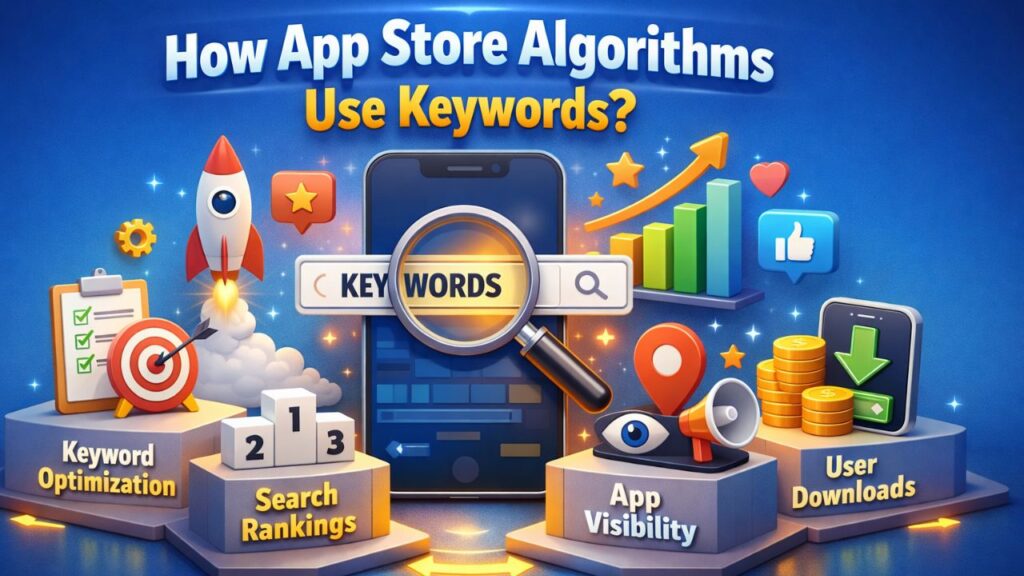
App store algorithms analyze several factors to decide which apps should appear in search results. Understanding these signals helps developers create a better optimization strategy.
Apple App Store Ranking Signals
The Apple App Store evaluates multiple keyword related elements:
- App title keywords
- Subtitle keywords
- Keyword field relevance
- User ratings and reviews
- Download activity
Keywords placed in titles and subtitles often carry more weight because they clearly indicate the purpose of the app.
Google Play Ranking Signals
Google Play also uses keyword relevance to determine rankings. Important elements include:
- App title keywords
- Keyword relevance in descriptions
- User engagement metrics
- Install growth and retention
Because these factors influence ranking, app store keyword research becomes an essential step before launching an application.
How to Perform Keyword Research for App Stores?
Many developers wonder how to start the process effectively. A structured approach helps identify valuable keywords that attract installs.
Identify Core App Topics
- Begin by defining the main purpose of your application. Consider the features, benefits, and problems it solves.
- These core topics help you discover primary keywords that describe the app accurately.
Analyze Competitor Applications
Competitor research reveals the keywords that similar apps are targeting. By studying top ranking apps, developers can identify popular search terms and uncover new opportunities.
Evaluate Search Volume and Competition
The next step is to analyze search demand. Some keywords may have high traffic but also intense competition.
Balancing demand and competition is important when performing app store keyword research.
Use App Store Optimization Tools
Various app store optimization tools provide keyword insights, ranking data, and competitor analysis. These tools help developers discover trending keywords and track ranking performance.
Build an ASO Keyword Strategy
After gathering keyword ideas, organize them into a structured ASO keyword strategy. This strategy should include the primary keywords, long tail keywords, and supporting terms that improve relevance.
Tools That Help Discover Valuable Keywords

Modern optimization requires reliable data. This is why many developers rely on specialized tools to guide their strategy.
Popular app store optimization tools provide insights such as:
- Keyword search popularity
- Competitor keyword analysis
- Ranking position tracking
- Keyword difficulty evaluation
Using the right tools makes app store keyword research more accurate and efficient. It allows developers to focus on keywords that have a higher chance of improving visibility.
These insights often come from advanced analysis and Data Analytics Insights, which help identify patterns in user search behavior.
Building an Effective ASO Keyword Strategy
Keyword discovery is only the first step. The real success comes from applying the keywords strategically. A strong ASO keyword strategy focuses on three important aspects.
Long Tail Keyword Targeting
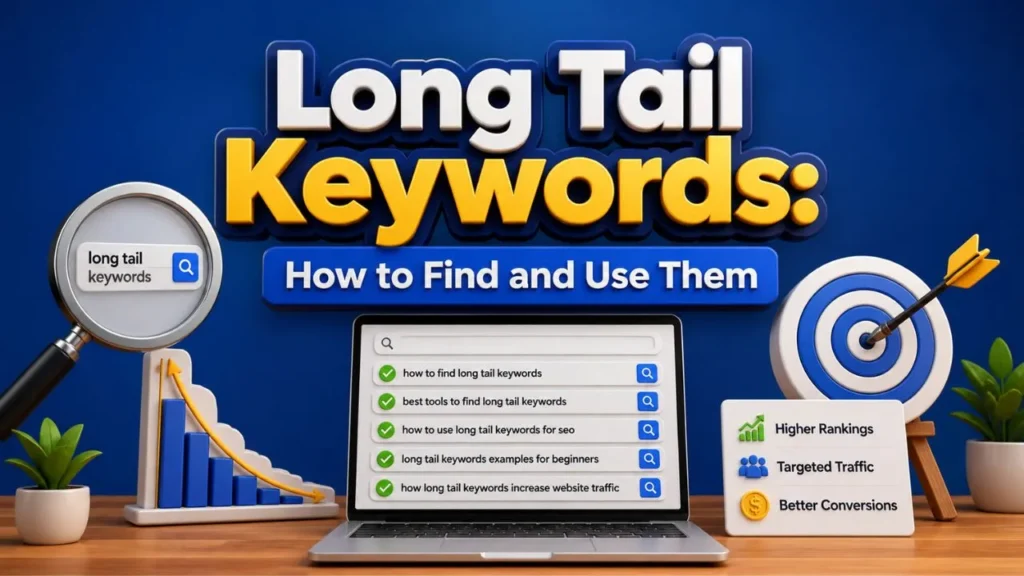
Long tail keywords usually have lower competition but higher relevance. They attract users who know exactly what they want. Targeting these keywords increases the chances of ranking quickly.
Strategic Keyword Placement
Keywords should be placed naturally in the following areas:
- App title
- Subtitle
- Description
- Metadata fields
Correct placement improves keyword relevance and supports improve app search ranking efforts.
Keyword Localization
If an app targets multiple countries, localization becomes valuable. Translating keywords into different languages helps reach new audiences and expand the app’s visibility.
Because of this, many developers perform app store keyword research separately for each geographic market.
iOS App Optimization for Better Keyword Ranking
An effective iOS app store optimization guide focuses on improving metadata and user engagement signals.
Important optimization techniques include:
Optimize the App Title
The title should include the main keyword while remaining clear and easy to read.
Use the Keyword Field Efficiently
The Apple App Store allows developers to include keywords in a dedicated field. This space should be used wisely to target relevant search terms.
Write Keyword Focused Subtitles
Subtitles support the title by providing additional context and keyword relevance.
Monitor Keyword Performance
Tracking keyword rankings helps developers understand which keywords are performing well and which require adjustments. These improvements strengthen the overall impact of app store keyword research.
Android App Optimization Techniques

Developers targeting Android users must also focus on android app store optimization. While the core principles remain similar, Google Play emphasizes description content more heavily.
Effective techniques include:
- Writing keyword rich descriptions
- Using relevant keywords in the title
- Encouraging user engagement and ratings
- Updating the app regularly
These improvements support stronger app store search optimization and help apps remain competitive.
ASO Best Practices to Improve App Search Ranking
Following established ASO best practices ensures that keyword optimization delivers consistent results.
Important practices include:
- Keep the app title concise and relevant
- Use keywords naturally in descriptions
- Maintain positive ratings and reviews
- Update app listings regularly
- Focus on user engagement and retention
When these practices are applied consistently, developers can gradually improve app search ranking and achieve better visibility.
App Store Optimization Checklist
Optimization becomes easier when developers follow a structured process. A reliable app store optimization checklist may include the following steps:
- Complete keyword research
- Optimize app title with relevant keywords
- Write keyword rich descriptions
- Design engaging screenshots
- Monitor user reviews and ratings
- Track keyword ranking performance
By following this checklist regularly, developers can maintain strong optimization and support the long term success of their application.
Common Mistakes Developers Should Avoid
While keyword optimization is powerful, certain mistakes can reduce its effectiveness.
Targeting Only High Competition Keywords
Many developers focus only on popular keywords. However, these keywords are often highly competitive. A balanced approach works better.
Ignoring Search Intent
Choosing keywords without understanding user intent can lead to poor visibility.
Keyword Stuffing
Adding too many keywords can make descriptions look unnatural and may reduce ranking performance.
Not Updating Keywords
User behavior changes over time. Developers should review their keywords regularly to ensure they remain relevant.
Consistent improvement is essential for successful app store keyword research.
The Future of Keyword Research in App Stores

App marketplaces are evolving quickly, and optimization strategies must adapt accordingly. Artificial intelligence and automation are beginning to play a larger role in keyword discovery. Many developers now rely on Free AI Tools to analyze trends and identify emerging keywords. In addition, smarter Marketing Strategies are being used to combine optimization with user engagement efforts.
Some apps also complement their organic strategy with channels such as Pay Per Click advertising or Link Building efforts to increase awareness beyond app stores.
As technology continues to advance, app store keyword research will remain a crucial element in improving discoverability and driving downloads.
Final Thoughts
Visibility in app stores depends heavily on how well an app is optimized for search. Even the most innovative application may struggle to gain traction if users cannot discover it easily.
By investing time in app store keyword research, developers can align their apps with real user searches. This not only increases visibility but also attracts high intent users who are ready to install and engage with the app.
When combined with strong optimization techniques, proper keyword placement, and continuous monitoring, this approach becomes a powerful way to strengthen app rankings and generate consistent downloads.
In the highly competitive world of mobile apps, effective keyword research is not just a tactic. It is the foundation of successful App Store Optimization.
Frequently Asked Questions
What is app store keyword research?
It is the process of identifying search terms users enter in app stores to find applications. These keywords help developers optimize app listings for better visibility.
How does keyword research improve app search ranking?
Keyword research helps align app metadata with user search queries. When keywords match search intent, the app becomes more likely to appear higher in results.
How to do app store optimization effectively?
Effective optimization involves keyword research, metadata optimization, user engagement improvements, and continuous performance monitoring.
What are app store optimization tools?
These tools analyze keyword performance, track rankings, and provide insights that help developers improve app store visibility.
How long does ASO take to show results?
Results can vary depending on competition and keyword difficulty, but noticeable improvements often appear within a few weeks of optimization.