




If you want your niche website to rank consistently on Google, publishing random articles is no longer enough. Search engines have become significantly better at understanding topics, relationships between content, and overall expertise. This shift has made topical authority one of the most important ranking factors in modern SEO.
Many website owners focus heavily on finding low competition keywords or building backlinks. While those tactics still matter, they often fail to deliver sustainable results when they are not supported by a strong content foundation. Google increasingly rewards websites that demonstrate deep expertise across an entire subject area rather than those that publish isolated pieces of content.
This is where topical authority becomes essential.
Topical authority refers to a website’s ability to demonstrate expertise, trustworthiness, and comprehensive knowledge about a specific subject. When your website covers a topic extensively and answers users’ questions at every stage of their journey, search engines begin to view your site as a trusted resource.
For niche websites, building topical authority can create a significant competitive advantage. Instead of competing against larger websites on every keyword, you can dominate a focused subject area by developing comprehensive content clusters, strategic internal linking, and entity based optimization.
In this guide, you will learn how to build topical authority from the ground up. We will explore how search engines evaluate expertise, how to create an effective topical map, how to structure content clusters, and how to optimize your website for SEO, GEO, AEO, and voice search visibility.
By implementing this topical authority blueprint, you can improve rankings, increase organic traffic, and establish your website as a recognized source of information within your niche.
Table of Contents
What Is Topical Authority?
Simple Definition of Topical Authority
Topical authority is the level of expertise and trust a website demonstrates within a specific subject area. When a website consistently publishes high quality content covering all aspects of a topic, search engines recognize it as a valuable source of information.
For example, a website focused entirely on SEO that covers technical SEO, keyword research, link building, local SEO, content marketing, and search engine updates is more likely to develop Niche Authority than a general marketing website with only a few SEO articles.
The goal is not simply to publish more content. Instead, the objective is to create meaningful content that thoroughly addresses user questions and establishes clear topical relevance.
Featured Snippet Answer
Topical authority is a website’s demonstrated expertise on a specific subject through comprehensive content coverage, strong internal linking, and consistent publishing. Search engines use Niche Authority signals to determine whether a website deserves higher rankings for related search queries.
How Search Engines Measure Topical Authority?
Search engines analyze numerous signals to determine Niche Authority, including:
- Content depth and comprehensiveness
- Semantic relationships between pages
- Internal linking structure
- User engagement signals
- Content freshness
- Relevant backlinks
- Entity associations
- Topic cluster organization
When these signals align, Google gains confidence that your website is an authoritative source within a specific niche.
Why Topical Authority Matters More Than Individual Keywords?
Traditional SEO often focused on optimizing individual pages for specific keywords. While keyword optimization remains important, search engines now evaluate the overall topical relevance of a website.
A website with strong content authority can often rank new content faster because search engines already trust its expertise within that niche.
Instead of viewing content as isolated pages, modern SEO requires viewing content as interconnected knowledge assets.
Why Topical Authority Is Critical for Niche Websites?
Easier Rankings for Competitive Keywords
As your content authority grows, ranking for competitive keywords becomes more achievable. Search engines are more likely to prioritize content from websites that have demonstrated expertise across the entire subject area.
Improved Organic Traffic Growth
Building content authority helps websites rank for hundreds or even thousands of related keywords. This broader visibility generates consistent organic traffic growth over time.
Better Internal Linking Opportunities
A strong content ecosystem creates natural opportunities for internal linking. These connections help search engines understand content relationships while improving user navigation.
Increased Trust and Expertise Signals
When visitors find detailed, accurate, and interconnected content on your website, they are more likely to trust your information and engage with additional pages.
Higher Visibility in AI Generated Search Results
Modern AI powered search experiences rely heavily on authoritative sources. Websites with strong topical relevance often receive greater visibility in AI generated answers and search summaries.
How Google Determines Topical Authority?
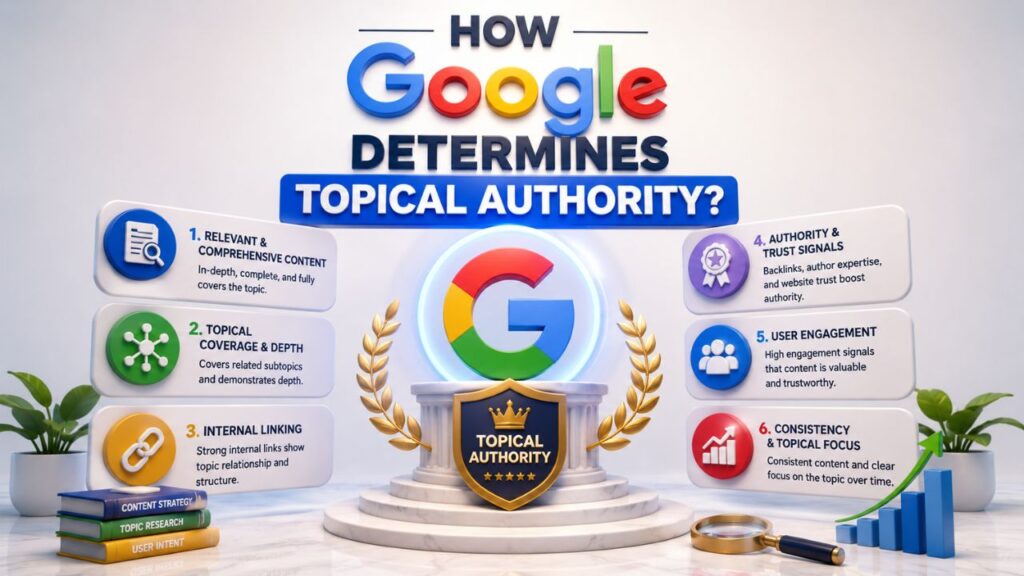
Content Depth and Coverage
Comprehensive coverage of a topic is one of the strongest indicators of topical relevance. Search engines want to see evidence that your website addresses beginner, intermediate, and advanced aspects of a subject.
Semantic Relationships Between Topics
Search engines understand relationships between concepts. Creating content that covers related subtopics helps establish a clear topical footprint.
User Engagement Signals
Metrics such as dwell time, click through rates, and repeat visits provide insights into how valuable users find your content.
Internal Link Structure
Internal links help search engines understand which pages are most important and how different topics connect within your website.
Content Freshness
Regular updates ensure your content remains accurate and relevant.
Backlink Relevance
Relevant backlinks from websites within your niche reinforce topical relevance.
Entity Associations
Entity SEO helps search engines connect your content with recognized concepts, topics, and industry terminology.
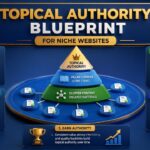
The Complete Topical Authority Blueprint
Step 1: Choose a Clearly Defined Niche
One of the biggest mistakes website owners make is targeting overly broad topics.
Instead of covering every aspect of digital marketing, consider focusing specifically on:
- Technical SEO
- Local SEO
- Ecommerce SEO
- Mobile SEO
- Link Building
A focused niche allows you to build topical relevance faster and establish expertise more effectively.
Step 2: Create a Topical Map
A topical map serves as the foundation of your content strategy.
Your topical map should include:
Parent Topics
These are broad subjects that define your niche.
Supporting Topics
These expand on the parent topics with greater detail.
Long Tail Questions
- These target specific user queries and voice search opportunities.
- Creating a structured topical map ensures comprehensive coverage while preventing content gaps.
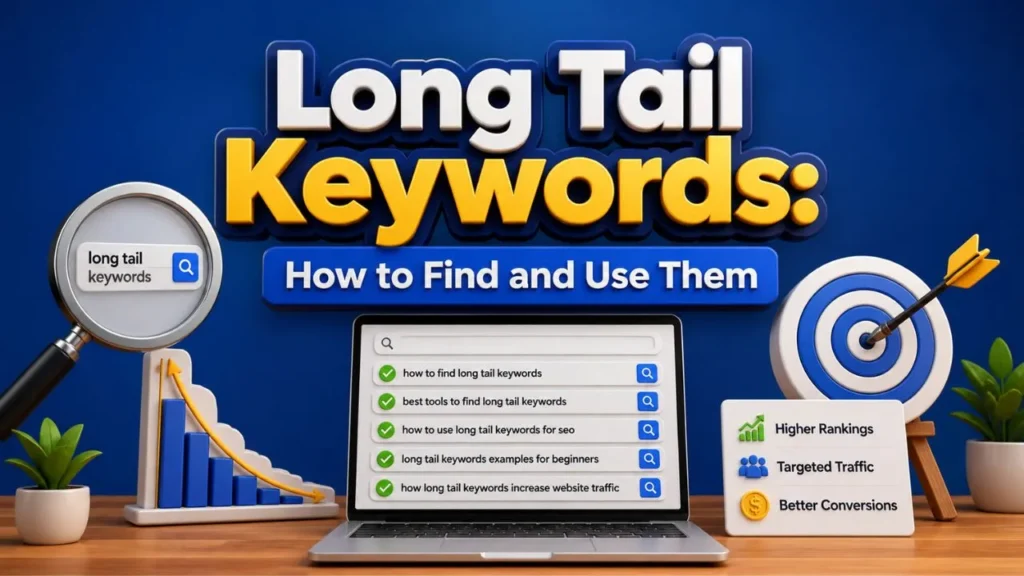
Use long-tail keyword research to uncover specific questions, low-competition subtopics, and relevant search phrases for each content cluster.
Step 3: Identify Search Intent
Every piece of content should satisfy a specific user intent.
Common intent categories include:
- Informational
- Commercial
- Transactional
- Navigational
Understanding intent allows you to create content that matches user expectations and search engine requirements.
Step 4: Build Pillar Content
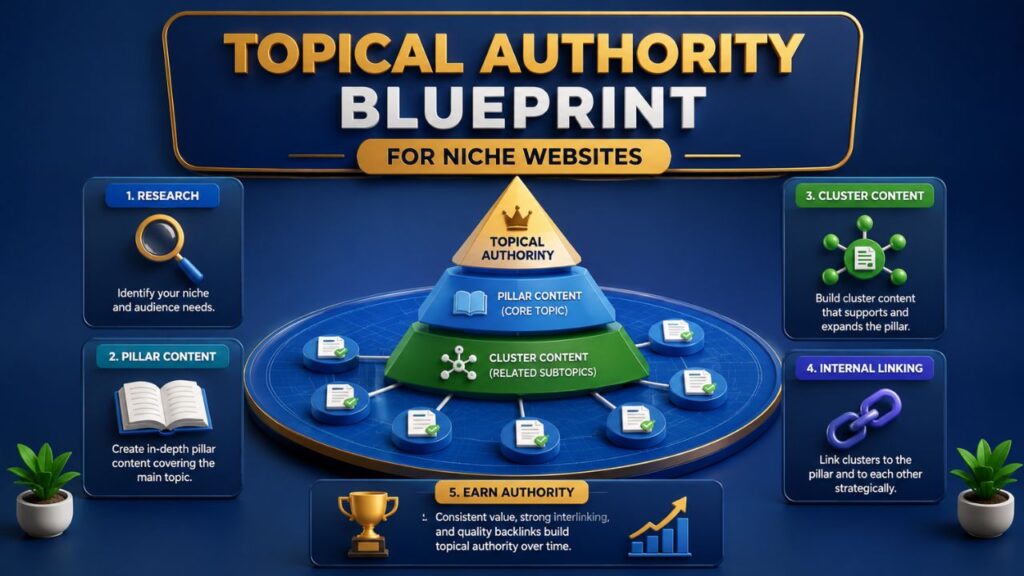
Pillar content acts as the central resource for a topic cluster.
Effective pillar pages should:
- Cover the topic comprehensively
- Link to supporting content
- Target primary keywords
- Provide actionable information
- Include structured headings
These pages often become the strongest authority assets on your website.
Step 5: Create Supporting Cluster Content
Supporting content expands on specific aspects of the pillar topic.
Examples include:
- Tutorials
- Checklists
- Guides
- Comparisons
- FAQs
- Industry trends
Together, these articles strengthen topical relevance and improve topical relevance.
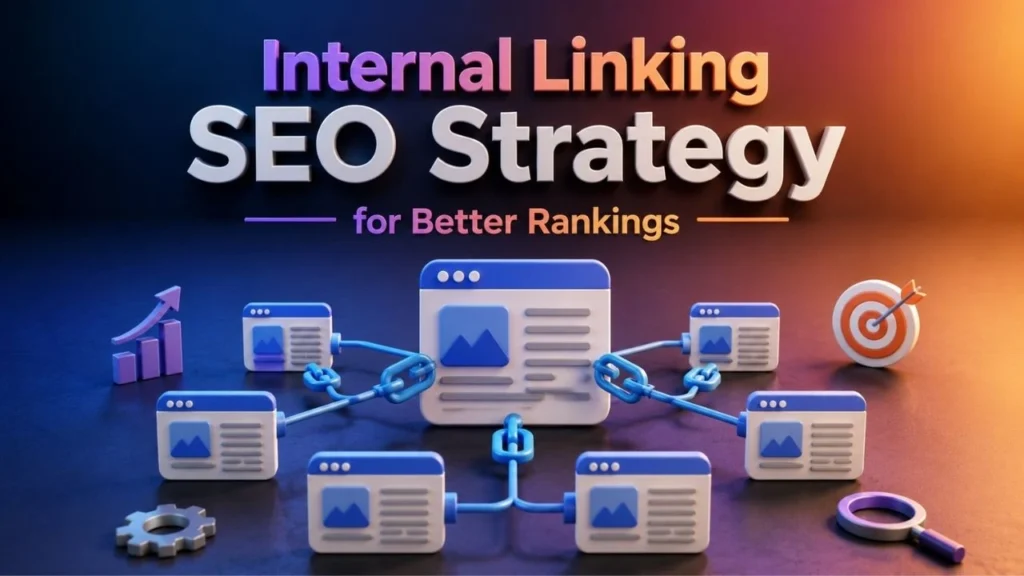
Step 6: Strengthen Internal Linking
Strategic internal linking helps search engines understand content relationships.
Best practices include:
- Linking pillar pages to cluster content
- Using descriptive anchor text
- Creating contextual links naturally
- Updating older content with new links
Strong internal linking distributes authority throughout the website.
Step 7: Optimize for Entities
Entity SEO helps search engines understand the meaning behind content rather than relying solely on keywords.
To improve entity associations:
- Use industry terminology naturally
- Cover related concepts comprehensively
- Build content around recognized entities
- Maintain topical consistency
Step 8: Publish Consistently
- Consistency is essential for building topical authority.
- A regular publishing schedule demonstrates ongoing expertise and helps expand topical coverage over time.
- Websites that continuously improve and expand their content typically achieve stronger rankings than those that publish sporadically.
Conclusion
Building topical authority is no longer optional for niche websites that want sustainable search visibility. Search engines increasingly reward websites that provide comprehensive, interconnected, and trustworthy information within a specific subject area.
By creating a detailed topical map, developing pillar content, publishing supporting cluster articles, strengthening internal links, and optimizing for entities, you can establish your website as a recognized authority in your niche.
The websites that achieve long term SEO success are not necessarily the ones with the most content. They are the ones that provide the most complete and useful coverage of a topic.
When you consistently focus on entity based SEO, you create a stronger foundation for rankings, organic traffic growth, AI search visibility, and user trust.
Frequently Asked Questions
What is topical authority in SEO?
Entity based SEO is a website’s demonstrated expertise and comprehensive coverage of a specific subject. Search engines evaluate how thoroughly a website covers related topics, answers user questions, and connects content through internal links. Websites with strong topical authority often rank higher for relevant search queries.
Why is topical authority important for niche websites?
Entity based SEO helps niche websites build trust with search engines and users. When a website consistently publishes high quality content around a specific topic, it becomes easier to rank for competitive keywords, attract organic traffic, and establish long term search visibility.
How do you build topical authority?
You can build entity based SEO by creating a topical map, publishing pillar pages, developing supporting cluster content, strengthening internal links, covering related subtopics, and regularly updating existing content. Consistent publishing and comprehensive topic coverage are key factors.
How long does it take to build topical authority?
The time required to build entity based SEO depends on your niche, competition, content quality, and publishing frequency. Many websites begin seeing noticeable improvements within several months, while highly competitive niches may require a longer commitment to comprehensive content creation.
What is the difference between topical authority and domain authority?
Entity based SEO focuses on expertise within a specific subject area, while domain authority is a broader metric that estimates the overall strength of a website. A website can have strong entity based SEO in a niche even if its overall domain authority is relatively low.
Does topical authority help improve Google rankings?
Yes. Entity based SEO helps search engines understand that your website is a trusted source of information. As your content coverage expands and your expertise becomes clearer, your pages are more likely to rank for related keywords and search queries.
What are content clusters in topical authority?
Content clusters are groups of related articles organized around a central pillar page. The pillar page covers a broad topic, while supporting articles explore specific subtopics in greater detail. This structure helps improve entity based SEO and internal linking.
How many articles are needed to build topical authority?
There is no fixed number of articles required. The goal is to cover a topic comprehensively rather than focus on quantity alone. Some niches may require dozens of articles, while others may need hundreds to achieve strong entity based SEO.
What is a topical map?
A topical map is a structured content plan that outlines all major topics, subtopics, and related questions within a niche. It serves as a roadmap for content creation and helps ensure complete coverage of a subject area.
How does internal linking support topical authority?
Internal linking helps search engines understand the relationship between pages on your website. It distributes authority across content, improves crawlability, and reinforces topical relevance by connecting related articles.
Can a new website build topical authority?
Yes. New websites can build semantic authority by focusing on a specific niche, creating comprehensive content, and maintaining a consistent publishing schedule. A focused strategy often helps newer websites compete effectively against larger competitors.
What role do entities play in topical authority?
Entities help search engines understand concepts, topics, people, places, and relationships within content. Optimizing for entities strengthens topical relevance and improves how search engines interpret your expertise.
Does topical authority help with AI search results?
Yes. AI powered search systems often prefer content from websites that demonstrate strong semantic authority. Comprehensive, well structured content is more likely to be referenced in AI generated answers and summaries.
How often should I publish content to build topical authority?
Consistency is more important than volume. Publishing high quality content regularly and expanding topic coverage over time can help strengthen semantic authority and improve search performance.
Is topical authority more important than backlinks?
Both are important, but semantic authority provides the foundation for sustainable SEO success. Backlinks can amplify rankings, but comprehensive topic coverage and expertise help establish long term relevance and trust.
What are pillar pages in a topical authority strategy?
Pillar pages are comprehensive resources that cover a broad topic in depth. They serve as the central hub for related cluster content and help organize information in a way that benefits both users and search engines.
How do I measure topical authority growth?
You can measure semantic authority growth through keyword rankings, organic traffic increases, search visibility, content coverage expansion, internal link performance, and improvements in search engine indexing of related topics.
Does updating old content improve topical authority?
Yes. Regularly updating existing content helps maintain accuracy, improve user experience, and demonstrate ongoing expertise. Content updates can also strengthen rankings and reinforce semantic authority signals.
Can topical authority improve voice search visibility?
Yes. Websites with strong semantic authority often perform better in voice search because they provide clear, accurate, and comprehensive answers to user questions. FAQ sections and conversational content are particularly effective for voice search optimization.
What is the biggest mistake when building topical authority?
One of the most common mistakes is publishing unrelated content that does not support the website’s primary niche. Lack of content clustering, weak internal linking, and incomplete topic coverage can also limit semantic authority growth.